
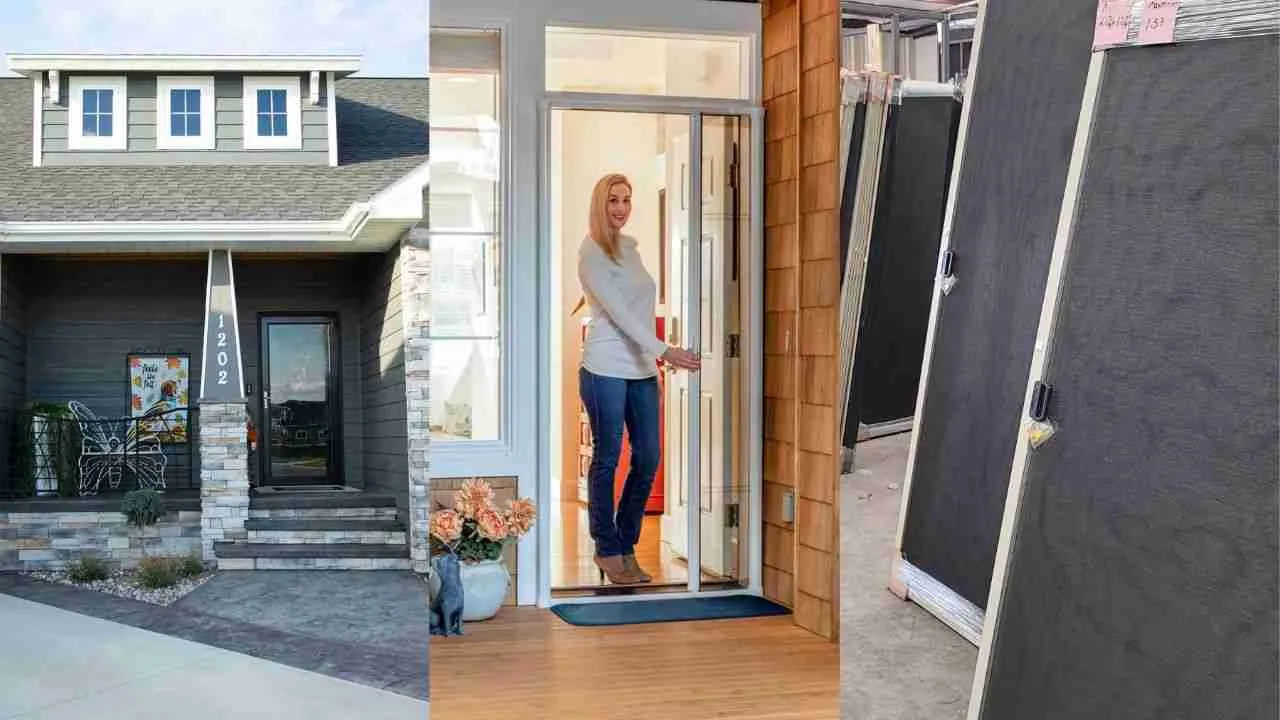
A good door screen does more than keep bugs outside. It changes how a home feels on a breezy afternoon, how easily fresh air moves through a room, and how connected your indoor space feels to the outdoors. The right screen can make a back door more practical, a front entry more comfortable, or a patio doorway easier to use every day.
Still, not every door screen works the same way. Some are simple and affordable. Others are built for larger openings, everyday use, pets, privacy, or added peace of mind. That is why choosing one should come down to more than looks alone. Your door style, available space, traffic level, climate, and personal preferences all matter.
For homeowners who want airflow without a screen door constantly visible, full-length retractable door screen systems can offer a clean, flexible option. They are not the only solution, but they are worth considering when you want something that disappears when not in use.
The classic choice that still earns its place
Sliding screen doors are one of the most familiar options, especially for patio doors and wide glass openings. They move along a track, usually parallel to the main door, which makes them convenient in areas where a swinging door would get in the way.
Their biggest strength is simplicity. A well-fitted sliding screen door is easy to open, easy to close, and practical for everyday use. It lets in fresh air while keeping insects out, and it usually blends naturally with the existing doorway. For busy homes, that low-effort function can be a major advantage.
However, sliding screens do depend heavily on their track and rollers. If the track gets dirty, bent, or worn down, the door may stick or come out of alignment. Lightweight versions can also feel flimsy over time, especially in homes with children, pets, or frequent outdoor traffic. For that reason, sliding screen doors are often best when paired with sturdy materials and regular maintenance.
The disappearing screen for cleaner sightlines
Retractable screen doors are popular because they solve one of the most common frustrations with traditional screens: visibility. Instead of staying in place all the time, the screen rolls into a housing when not needed. This keeps the doorway looking cleaner and gives homeowners more flexibility.
They can work well for front doors, side entries, patio doors, and other openings where a permanent screen might interrupt the design. They are especially appealing when you want airflow during pleasant weather but do not want the screen to be part of the door’s appearance year-round.
The tradeoff is that retractable screens tend to require a more precise fit and may cost more than basic screen options. They are also not always the strongest choice for rough use unless designed with durability in mind. If pets frequently push against the screen or children run in and out all day, it is worth choosing a model made for that kind of household activity.
The hinged option with familiar charm
Hinged screen doors, sometimes called swinging screen doors, open outward or inward the way a standard door does. They can bring a more traditional feel to an entry and often work well when there is enough clearance for the door to swing comfortably.
This type can be a good match for front entries, side doors, porches, and service doors. It offers a familiar feel, and depending on the material, it can add a decorative touch as well as practical ventilation. Wood, aluminum, and vinyl options each bring a different balance of appearance, weight, upkeep, and durability.
The main drawback is space. A swinging screen door needs room to open, and that may not work well near steps, tight walkways, furniture, or narrow porches. It also needs quality hinges and a reliable closer to prevent slamming. For general home repairs or projects around an entryway, https://www.handymanhometeam.com/ can be useful when planning related improvements, especially before deciding how much work the doorway itself may need.
When strength matters as much as airflow
Security screen doors are designed for homeowners who want ventilation without feeling exposed. These screens are usually made with stronger frames, reinforced mesh, and sturdier locking systems than standard screen doors. They can allow fresh air and visibility while adding another physical barrier at the entry.
This can be a smart option for front doors, back doors, and any entry where peace of mind matters. A security screen may also hold up better in homes where durability is a top priority. Some designs are more decorative, while others focus on maximum strength.
The balanced view is that security screen doors are usually heavier, more expensive, and more noticeable than lighter screen styles. They may not suit every home’s design, and they can feel unnecessary if the main goal is simply to let in air during mild weather. But when safety, durability, and ventilation all matter, they can be one of the strongest options available.
The practical middle ground for changing seasons
Storm doors with screens give homeowners a flexible combination of weather protection and ventilation. Many designs include glass panels, screen panels, or interchangeable sections, allowing the door to adapt to different seasons.
This type can be especially helpful when the main entry door needs extra protection from wind, rain, or daily wear. During cooler or harsher weather, the glass can provide a buffer. During warmer months, the screen allows airflow without leaving the entry open.
The downside is that storm doors are not always as sleek as retractable screens, and they may change the appearance of the entry more than some homeowners prefer. They can also require seasonal adjustments, depending on the design. Still, for people who want year-round practicality, a storm door with a screen can be a sensible compromise.
The budget-friendly screen with limits
Magnetic screen doors are often used as a temporary or lower-cost option. They usually attach around a doorway and close with magnets down the center. This makes them easy to walk through, especially when carrying groceries, garden tools, or laundry.
They can work well for renters, seasonal use, casual backyard access, or situations where a permanent installation is not ideal. They are generally easy to install and remove, which is part of their appeal.
That said, magnetic screens are not the most polished or durable choice. They may not seal as tightly, hold up as long, or look as finished as custom-fitted screen doors. They are best viewed as a convenient short-term solution rather than a premium upgrade.
Pet-friendly and family-friendly choices
Homes with pets and children need screens that can handle more contact. A delicate mesh may look fine at first, but it can tear quickly if a dog paws at it or a child leans into it. For these homes, stronger mesh, reinforced lower panels, and durable frames are worth considering.
Pet-resistant screen materials are designed to be tougher than standard mesh. They can make a big difference in high-traffic homes, although they may slightly reduce visibility or airflow depending on the material. This is a fair tradeoff for many households because replacing torn screens repeatedly can become frustrating and costly.
The best choice often depends on behavior. A calm pet that simply watches through the screen may not require heavy-duty materials. An energetic pet that scratches, jumps, or pushes against doors probably does.
How to choose without overthinking it
The best screen door is the one that fits your home’s actual use. A sliding screen may be perfect for a patio door. A retractable screen may be better for a front entry where appearance matters. A hinged screen may suit a traditional doorway, while a security screen may be the right call when strength and protection are priorities.
Before choosing, think about how often the door is used, who uses it, how much space surrounds it, and how visible you want the screen to be. Also consider maintenance. Tracks need cleaning, hinges need adjustment, retractable housings should stay clear, and mesh may need occasional repair.
There is no single “best” type of door screen for every home. The right answer depends on comfort, budget, style, security, and day-to-day habits. When those details guide the decision, a screen door becomes more than a simple add-on. It becomes a small upgrade that makes the home feel easier, fresher, and more enjoyable to live in.
