
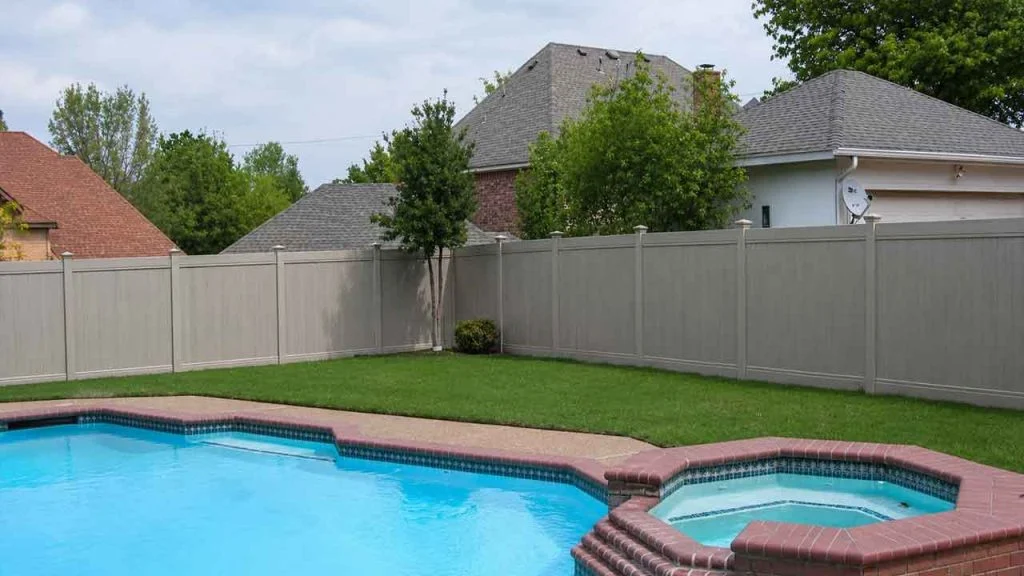
A pool can be one of the best parts of a home. It brings people together, gives families a place to cool off, and creates a setting for everyday relaxation. But the same feature that makes a backyard feel inviting also requires serious thought. Pool safety is not just about reminding children to stay away from the water. It is about creating physical layers that help prevent an accident when attention slips for even a moment.
That is why pool barriers deserve more attention than they usually get. Many homeowners think of fencing, gates, and latches as finishing touches. In reality, they are some of the most important safety features around the entire pool area. Whether someone is planning new pool installations or reviewing an older backyard setup, the barrier should be treated as part of the safety system, not just part of the design.
A good pool barrier does not replace supervision, swimming ability, alarms, or emergency planning. It simply adds another line of defense. That distinction matters. No single safety measure is perfect, but when several are used together, the chances of preventing a tragedy become much stronger.
A fence is only as safe as its weakest detail
A pool fence may look secure from a distance, but safety often comes down to details that are easy to overlook. Height matters, spacing matters, gate direction matters, and the condition of the hardware matters. A barrier that meets the eye test may still fail in real life if a child can climb it, squeeze through it, reach the latch, or push through a gate that does not close properly.
This is where many homeowners get caught off guard. They assume that because a fence surrounds the pool, the job is finished. But barriers are active safety features. They need to be designed correctly, installed carefully, and checked regularly. A fence that was safe when it was installed can become less reliable over time as hinges loosen, latches shift, landscaping grows, or furniture gets moved too close to the rails.
The goal is not to create fear around pool ownership. Pools can be enjoyed safely when people take the right precautions. The real point is that a barrier should work even when life gets messy. A gate should close when someone forgets to pull it shut. A latch should stay out of reach. A fence should make climbing difficult, not easier.
The gate deserves extra attention
If there is one part of a pool barrier that needs special focus, it is the gate. The fence may cover more ground, but the gate is the moving part. It opens, closes, swings, latches, and gets used repeatedly. That makes it both essential and vulnerable.
A safer pool gate usually swings away from the water, closes on its own, and latches automatically. These details are not just technical preferences. They are designed to reduce the chance that someone accidentally leaves the gate open or that a child pushes through toward the pool. A gate that swings inward or fails to latch can create a dangerous opening, even when the rest of the barrier is well built.
Maintenance is just as important as installation. Hinges can lose tension. Latches can become misaligned. Dirt, weather, and repeated use can slowly affect how the gate performs. Homeowners may walk past the issue for weeks without noticing because the change is gradual. A quick monthly check can make a major difference. Open the gate, let it close on its own, confirm the latch catches, and make sure the lock or release point is not easy for a young child to reach.
Climbable objects can defeat a good barrier
Even a properly built fence can lose its value if the area around it makes climbing easy. Patio chairs, storage boxes, planters, toys, grills, and decorative features can all become unintended stepstools. Children are curious, creative, and fast. What looks harmless to an adult may look like a ladder to a child.
This is one of the most overlooked parts of pool barrier safety. Homeowners often focus on the fence itself but forget to look at the full environment around it. A barrier is not just the panels and posts. It is the space around the panels and posts. If objects are placed close enough to help a child climb over, the barrier is no longer doing its full job.
The same idea applies to the fence design. Horizontal rails, wide spacing, and decorative patterns may make a barrier easier to climb. That does not mean a pool fence has to look harsh or unattractive. It means the design should balance appearance with function. A beautiful pool area can still be safe, but safety has to be considered before style decisions are finalized. For homeowners reviewing older outdoor spaces, http://socalcustompoolsandspas.com can serve as a reminder that upgrades should look at safety as well as appearance, especially when the existing layout has changed over time.
Pool safety works best in layers
A barrier is critical, but it should not be treated as the only protection around a pool. The strongest approach is layered safety. That means combining physical barriers with responsible supervision, door and gate alarms, water confidence, emergency readiness, and clear family rules.
This balanced view matters because pool safety can sometimes be discussed in extremes. Some people act as if a fence solves everything. Others focus only on adult supervision. In reality, both views are incomplete. Adults can get distracted. Gates can fail. Alarms can be ignored. Children can behave unpredictably. Layers exist because each one supports the others.
For example, a self-closing gate may stop a child from entering the pool area. The gate fails, an alarm may provide another warning. If a child reaches the water, swimming ability may help buy time. If an emergency happens, CPR knowledge may save a life. Each layer matters because the stakes are too high to depend on only one.
Planning prevents expensive mistakes
Pool barriers are much easier to plan before the surrounding space is finished. Waiting until the end can lead to awkward layouts, rushed decisions, or costly changes. The safest barrier is one that is considered early, along with traffic flow, patio placement, landscaping, outdoor furniture, and visibility from the home.
This does not mean every pool area has to look the same. Homeowners have different styles, budgets, and needs. Some may prefer permanent fencing. Others may use approved removable systems in certain situations. Some properties may require added door alarms or other protective measures. The right solution depends on the home, the users, and the applicable rules.
Still, the principle stays the same. Safety should be planned, not patched in later. When the barrier is part of the design conversation from the beginning, it is easier to create a space that feels natural, attractive, and protective.
The small checks that protect the big picture
Pool barrier safety is not only about passing an initial requirement. It is about making sure the system continues to work after months and years of use. That means homeowners should occasionally walk the perimeter and look for small problems before they become serious ones.
Check whether the gate closes fully. Look for gaps under or between barrier sections. Move climbable items away from the fence. Trim landscaping that creates footholds or blocks visibility. Test alarms if they are part of the safety setup. Watch how children interact with the space, because they may reveal risks adults do not immediately notice.
A pool should be a place of comfort, not constant worry. The best safety measures make that possible. When barriers are built well, maintained properly, and supported by other layers of protection, families can enjoy the water with more confidence. The details may seem small, but around a pool, small details can matter most.
