
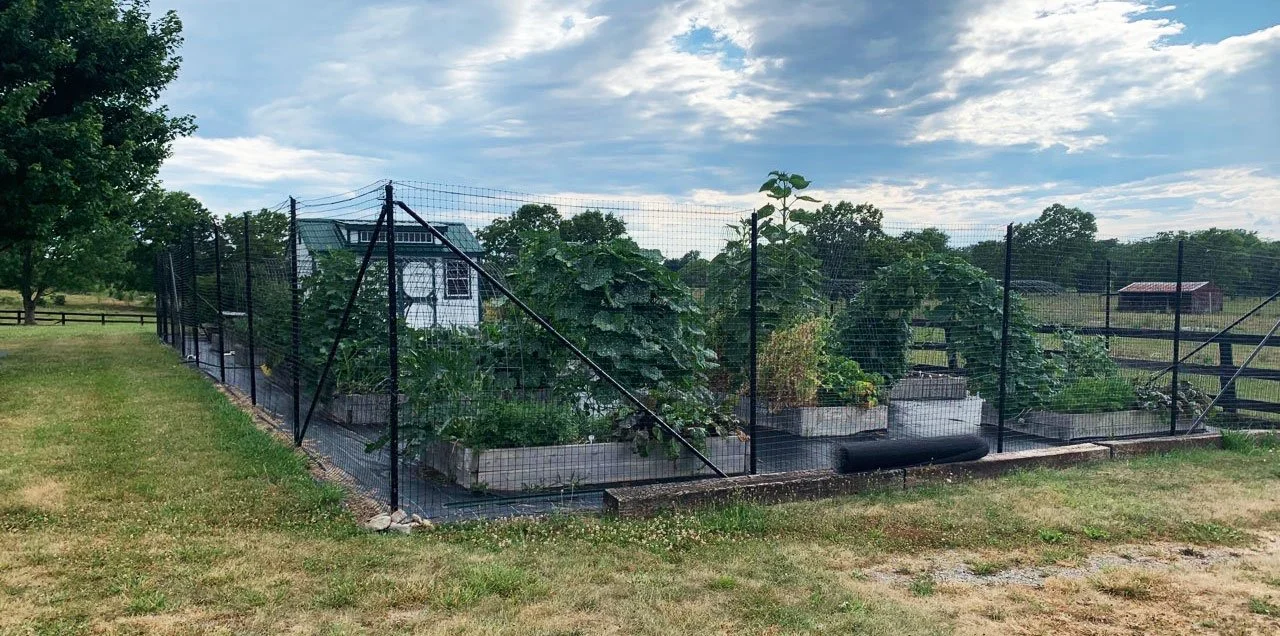
Installing a deer fence in New Jersey is an essential step for protecting gardens and landscapes from deer intrusion. The choice of materials can significantly impact the effectiveness and longevity of the fence. This article explores seven specific materials that are highly recommended for deer fencing in NJ, considering factors such as durability, cost-effectiveness, and environmental friendliness. These materials have been selected based on their performance in local conditions and their suitability for integration with complementary landscaping services, such as integrated pest management.
Best Types of Fencing Materials for Deer in NJ
When selecting materials for a deer fence in NJ, it is important to consider the local environment and regulations. The best materials are those that can withstand the state’s varied weather conditions and align with gardening practices like soil amendment testing. Proper fencing not only prevents deer from entering but also complements the hardscape design of a property. It’s crucial to choose materials, such as Deer Fence Nj, that are compatible with integrated pest management strategies to enhance your garden’s overall health and sustainability.
High-Tensile Wire: Durable and Effective Solution
High-tensile wire is a popular choice for deer fencing due to its strength and flexibility. It serves landowners who require a robust barrier without compromising on visibility. This material is included for its ability to withstand harsh NJ winters while maintaining structural integrity. Manufactured to resist tension, high-tensile wire can be combined with landscape irrigation audits to ensure optimal plant hydration without interference from fencing structures.
High-tensile wire can be used in various configurations to create a strong perimeter that deters deer effectively. A potential trade-off is the initial installation complexity, requiring specialized equipment. However, once installed, maintenance is minimal, making it a cost-effective option. Unlike other materials, high-tensile wire is less susceptible to rust, enhancing its durability. It is well-suited for use with native plant installation techniques, providing a protective boundary for delicate flora.
Chain Link Fencing: Versatile and Cost-Effective
Chain link fencing is favored for its versatility and affordability, serving property owners who seek a secure fencing solution without excessive costs. This material is highlighted for its ability to adapt to various terrains in NJ, including uneven landscapes. Chain link fences are typically galvanized to prevent corrosion, ensuring longevity in humid climates. It’s a compatible choice for areas requiring arboricultural assessment to maintain tree health alongside deer deterrence.
Chain link fencing can be easily integrated with additional deterrents, such as privacy slats or mesh, to enhance its effectiveness. While it offers less aesthetic appeal compared to wood fencing, its lower upfront cost and ease of installation make it attractive for budget-conscious projects. A distinguishing feature is its adaptability, allowing for quick repairs or modifications. This flexibility is beneficial for adjusting to changes in seasonal planting calendars.
Wood Fencing: Aesthetic Appeal and Natural Look
Wood fencing provides a traditional and visually pleasing option for deer control, ideal for homeowners who value aesthetics as much as functionality. This material is chosen for its ability to blend seamlessly with natural surroundings, complementing xeriscaping techniques. Wood fences are available in various styles, such as picket or split rail, each offering distinct visual characteristics. They are often treated to withstand the elements, prolonging their lifespan.
Wood fencing requires regular maintenance, such as staining or sealing, to protect against rot and insect damage. This upkeep can be seen as a limitation, but it offers an opportunity for incorporating biochar application to improve soil quality around the fence line. The inherent beauty of wood fences makes them a preferred choice in areas where visual impact is a priority. Moreover, they align well with perennial bed maintenance practices, enhancing the overall garden design.
Vinyl Fencing: Long-Lasting and Low Maintenance
Vinyl fencing is known for its durability and minimal maintenance needs, serving property owners seeking a hassle-free solution. This material is included for its ability to resist fading and warping under NJ’s diverse weather conditions. Vinyl fences are available in multiple colors and styles, offering versatility in design while providing consistent deer protection. Their composition is unaffected by moisture, making them ideal for areas with frequent precipitation.
Vinyl fencing is a higher upfront investment compared to chain link options, but its longevity offsets the initial cost. It doesn’t require painting or staining, reducing long-term maintenance efforts. A key feature is its resistance to pests, making it compatible with integrated pest management strategies. The smooth surface of vinyl fencing also deters climbing, adding an extra layer of security. This material is ideal for properties with nursery stock certification, ensuring plant safety.
Electric Fencing: A Modern Approach to Deer Control
Electric fencing offers a contemporary solution for deer management, appealing to landowners who prioritize high-tech deterrents. This material is highlighted for its ability to deliver a mild, non-harmful shock that discourages deer from crossing the boundary. Electric fences can be tailored to specific needs, with adjustable voltage settings for different wildlife. They integrate well with companion planting strategies, optimizing garden productivity while safeguarding plants.
Electric fencing requires a reliable power source, which can be a limitation in remote areas. However, solar-powered options are available to mitigate this issue. Installation costs can be higher than traditional fences, but the technology offers precise control and adaptability. A distinguishing feature is its effectiveness in areas where traditional barriers fail, providing an advanced solution for persistent deer issues. It complements turf management plans by protecting grasslands from deer damage.
Composite Fencing: Eco-Friendly and Robust Choice
Composite fencing combines the strength of wood with the resilience of plastic, serving environmentally conscious homeowners. This material is included for its ability to withstand NJ’s fluctuating temperatures without degrading. Composite fences are crafted from recycled materials, supporting green waste recycling initiatives. Their durability makes them suitable for properties requiring plant hardiness zone mapping, ensuring comprehensive garden protection.
While composite fencing is more expensive than standard wood options, its eco-friendly composition and low upkeep justify the investment. It offers resistance to pests and rot, reducing the need for chemical treatments. A primary advantage is its aesthetic versatility, allowing for a range of styles and colors. Composite fencing stands out for its ability to maintain structural integrity over time, making it a reliable choice for long-term deer deterrence. It’s particularly beneficial when paired with seasonal planting calendars for synchronized landscaping.
Conclusion

The selection of materials for installing a deer fence in NJ should be guided by factors like durability, maintenance, and environmental impact. Each material listed offers unique benefits that cater to different needs and preferences. By choosing the appropriate fencing material, homeowners can effectively protect their gardens while enhancing their landscape’s overall design. For those seeking professional assistance, Deer Fence Nj provides expert services tailored to local requirements, ensuring optimal results and peace of mind.
