
Mexico is one of the most rewarding countries to explore by car. One stretch of highway can take you from desert landscapes to mountain towns, beach communities, colonial cities, ancient ruins, and roadside food stops that are worth the trip on their own. For many travelers from the United States and Canada, Mexico also feels close enough to be familiar while still offering a completely different pace, culture, and sense of place.
That is part of what makes a road trip through Mexico so memorable. The country is not just one destination. It is a mix of languages, landscapes, traditions, wildlife, and history that changes from state to state. Before you cross the border, it is worth learning a few interesting facts that can help you appreciate the country with more context. It is also smart to handle practical details early, from your route to travel documents to where you plan to get Mexican Auto Insurance before driving in.
Here are a few fascinating facts about Mexico to know before your next road trip.
Mexico is incredibly diverse
Mexico is home to more than 130 million people, making it one of the most populous countries in the world. That size alone gives the country a huge amount of cultural variety, but the real story goes far beyond population.
Spanish is the most widely spoken language in Mexico, but it is not the only language that shapes daily life. Mexico recognizes Spanish along with many Indigenous language groups, with hundreds of local variants spoken across different regions. Nahuatl, Yucatec Maya, Mixtec, Zapotec, and many others remain important parts of Mexico’s identity.
For travelers, this diversity shows up everywhere. You may notice it in place names, markets, food traditions, music, local celebrations, and the way communities preserve their own customs. Driving through Mexico gives you a deeper look at these differences because you are not limited to airports and resort areas. You see how each region has its own personality.
That said, it is also important to approach this diversity with respect. Indigenous languages and customs are not tourist decorations. They are living parts of local communities. A thoughtful traveler takes time to listen, learn, and support local businesses without treating culture as a novelty.
Mexico sits in a volcanic region
Mexico is part of the Pacific Ring of Fire, one of the most volcanically active regions on Earth. This helps explain the dramatic mountain scenery found in many parts of the country.
One of Mexico’s most famous volcanoes is Popocatépetl, often called “Popo.” Its name comes from Nahuatl and is commonly translated as “Smoking Mountain.” It sits southeast of Mexico City and is one of the country’s most closely watched active volcanoes. On clear days, travelers in parts of central Mexico may see its snow-capped peak in the distance.
There is also Cuexcomate in Puebla, which is often called the world’s smallest volcano. The nickname is popular, but the site is more accurately described as an inactive geyser cone. Even so, it remains an unusual and interesting attraction. Visitors can descend a spiral staircase into its interior, which makes it a memorable stop if you are exploring the Puebla area.
For road trippers, Mexico’s volcanic geography is a reminder that the country’s beauty is active, ancient, and sometimes unpredictable. It is always a good idea to check local conditions if you are traveling near mountains, volcanoes, or rural roads, especially during changing weather.
Mexico has rare and famous animals
Mexico is home to wildlife that many travelers never expect. One example is the volcano rabbit, also known as the teporingo or zacatuche. This small rabbit lives in high-altitude grasslands near volcanoes in central Mexico. It is one of the smallest rabbits in the world and is considered endangered.
The country is also connected to one of the world’s most recognizable dog breeds: the Chihuahua. Named after the Mexican state of Chihuahua, this tiny dog has become famous around the world. Its history is often linked to Mexico’s dry northern regions, although the breed’s exact origins are still debated.
Animals also appear in Mexico’s cultural traditions, and not always without controversy. Bullfighting, introduced during the Spanish colonial period, still has supporters who view it as part of cultural heritage. At the same time, many people in Mexico and around the world see it as cruel and outdated. Several Mexican states have restricted or banned the practice, and Mexico City approved reforms in 2025 to prohibit violent bullfighting that harms or kills bulls.
A fair view recognizes both sides of the debate: bullfighting has historical and economic significance for some communities, but animal welfare concerns have changed public attitudes. Today, the conversation around bullfighting in Mexico reflects a broader question many countries face: how should long-standing traditions evolve when values change?
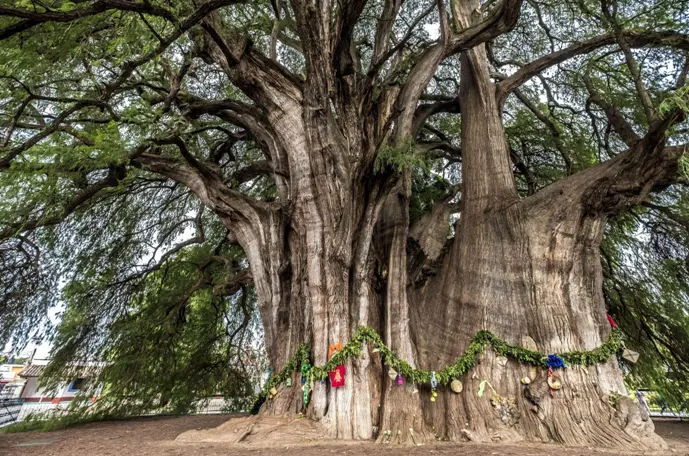
The Tree of Tule is one of Mexico’s natural wonders
In the town of Santa María del Tule, near Oaxaca City, stands one of the most remarkable trees in the world. El Árbol del Tule is a Montezuma cypress, also known as an ahuehuete, and it is famous for having one of the widest tree trunks ever measured.
The tree is believed to be well over a thousand years old, though exact age estimates vary. What makes it so special is not only its size but the way it has become part of the town’s identity. Visitors often stop to admire the massive trunk, look for shapes in the bark, and take in the quiet presence of a tree that has stood through centuries of change.
This is the kind of stop that makes a Mexico road trip feel richer. It is not a beach, a resort, or a major city attraction. It is a local landmark with history, pride, and a sense of place. If you visit, it is worth spending time in the surrounding community, not just taking a quick photo and leaving.
Mexico rewards curious travelers
One of the best things about traveling through Mexico is that the country keeps surprising you. A single trip can include ancient pyramids, busy city streets, quiet desert roads, colorful markets, mountain views, coastal highways, and family-owned restaurants where the meal becomes one of the highlights of the journey.
Still, Mexico is not a place to approach carelessly. Road conditions, local rules, travel times, toll roads, and border requirements can vary. Some areas are better suited for experienced travelers, while others are very accessible for first-time visitors. Planning does not take away from the adventure. It makes the adventure easier to enjoy.
Learn a few Spanish phrases. Carry important documents. Know your route before you lose cell service. Respect local communities. Avoid rushing from one famous stop to the next. Mexico is best experienced with curiosity and patience.
A little preparation makes the trip better
Mexico is full of facts that make it fascinating, but the real magic is in how those facts come to life as you travel. Language diversity becomes something you hear in markets and town names. Volcanoes become part of the skyline. Wildlife becomes part of the landscape. Cultural debates become part of a living country that is still changing.
Whether you are heading to Baja, Sonora, Oaxaca, Puebla, Mexico City, or a small town you have never visited before, the best road trips start with both excitement and preparation. Take time to understand where you are going, what makes each region special, and what you need before crossing the border.
With the right planning, driving through Mexico can be more than a vacation. It can be a deeper look at one of the most diverse, beautiful, and complex countries in the world.
