
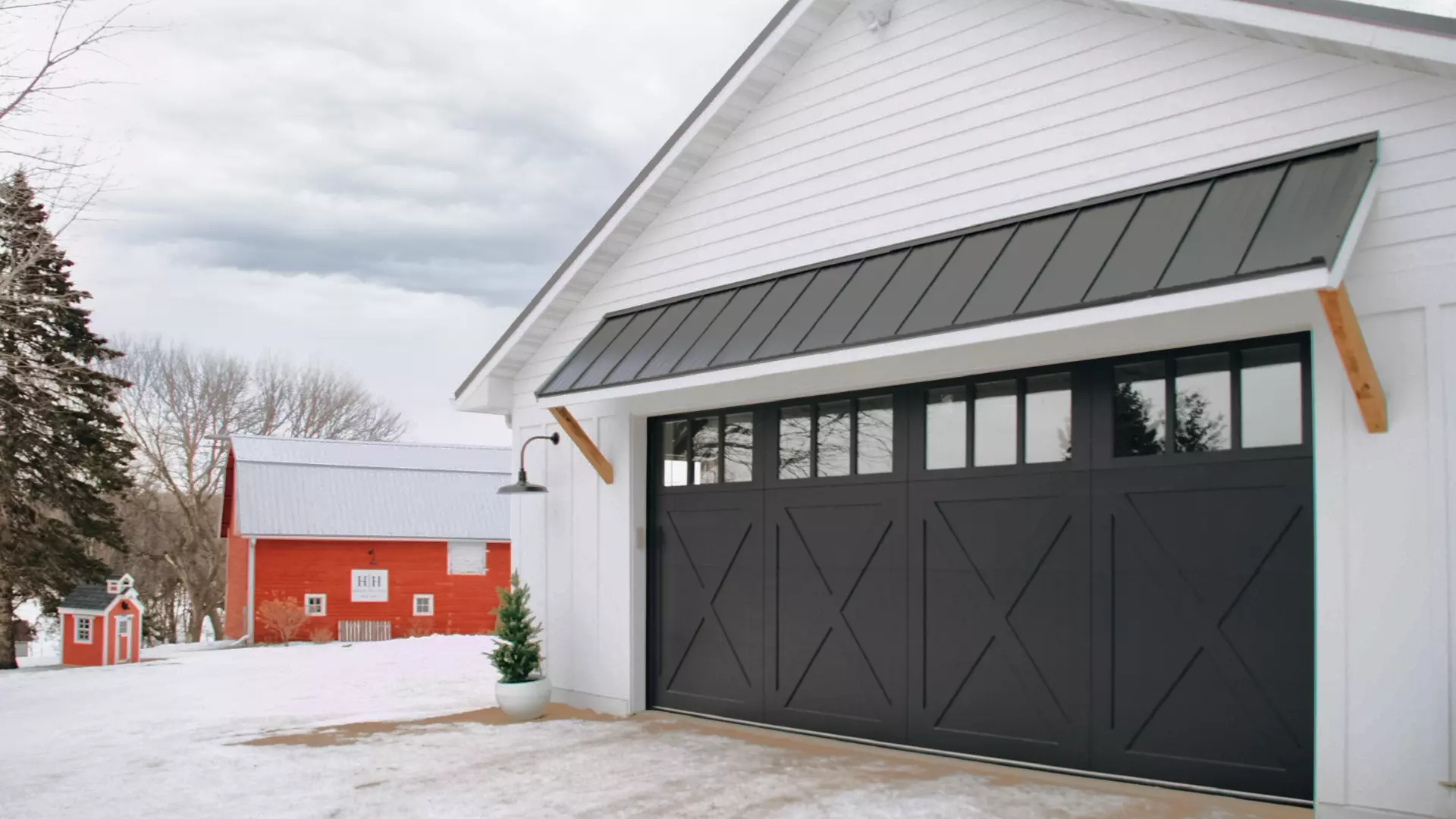
Your garage door goes through more than most homeowners realize. It opens and closes every day, but it also sits through heat, cold, rain, wind, humidity, and sudden temperature changes year after year. Over time, those conditions can slowly affect how smoothly the system works, and according to TJ’s Garage Door Service, weather-related wear often starts small before turning into a repair issue homeowners can no longer ignore. Knowing what to watch for can help you protect your door, your opener, and the safety of your garage.
Heat Can Make the Whole System Work Harder
Hot weather can affect both the appearance and movement of your garage door. Even when the door still opens, high temperatures may be creating extra strain behind the scenes.
Metal parts expand slightly when exposed to heat. That small expansion can change how rollers move inside the tracks, how hinges flex, and how tightly the door fits within the frame. If your door is already a little out of alignment, summer heat can make the problem more noticeable. You may hear squeaking, grinding, or popping sounds that were not there before.
Heat also dries out lubrication. Garage doors rely on smooth movement between springs, rollers, hinges, bearings, and tracks. When lubricant breaks down, friction increases. The opener then has to pull harder, which can shorten its lifespan over time.
Wood doors can be even more sensitive. Long periods of direct sun may dry the material, fade the finish, or cause cracking. If the protective finish wears away, the door becomes more vulnerable to moisture later on. That is why a door that looks sun damaged may also become harder to seal properly during rainy or cold seasons.
Cold Weather Can Make Parts Stiff and Brittle
Cold weather brings a different set of problems. Instead of expanding, materials often contract, stiffen, or lose flexibility.
Springs are one of the biggest concerns during winter. These parts support much of the door’s weight, and they are under constant tension. When temperatures drop, older springs may become more brittle. If they are already worn, a cold snap can be enough to push them toward failure.
Rollers and tracks can also become less forgiving in freezing weather. If dirt, moisture, or old lubricant is sitting in the tracks, the door may move unevenly or hesitate during operation. The opener may sound strained because it is working against extra resistance.
Weather seals often suffer too. Rubber can harden in low temperatures, then crack or pull away from the floor. Once that happens, cold air, pests, dust, and moisture can sneak into the garage. A damaged seal may seem minor, but it can make the garage less comfortable and expose the bottom of the door to more wear.
Rain and Humidity Can Quietly Cause Damage
Moisture is one of the most common causes of long term garage door trouble. It does not always create an obvious problem right away, but it can slowly weaken different parts of the system.
Steel doors and metal hardware can develop rust when moisture reaches exposed surfaces. Scratches, dents, worn paint, and loose coatings make this more likely. Rust may start as a small stain, but it can spread to hinges, brackets, cables, springs, and track edges. Once corrosion affects moving parts, the door may become noisy, rough, or unsafe to use.
Wood doors can absorb moisture if they are not properly sealed. This may cause swelling, soft spots, warping, or rot. A swollen door may drag against the frame or fail to close evenly. Even small changes in shape can affect balance and alignment.
Humidity inside the garage can also be a problem. Garages with poor airflow may trap damp air, especially after storms or during muggy weather. This moisture can settle on hardware and speed up corrosion. It can also affect stored items, walls, and flooring.
When warm air and heavy rain often overlap, technicians at mammoth door often recommend inspecting seals, rollers, and hardware for signs of weather-related wear.
Wind Can Shift, Rattle, and Loosen the Door
Wind does not need to damage a garage door all at once to cause trouble. Repeated gusts can slowly loosen hardware and affect alignment.
Garage doors have a large surface area, so strong wind can push against the panels with surprising force. During storms, the door may rattle, shake, or flex. Over time, that movement can loosen screws, brackets, hinges, and track supports.
Once the door is no longer sitting correctly, the rollers may not travel smoothly. You might notice jerky movement, scraping sounds, or one side of the door rising faster than the other. These signs usually mean the system is under uneven stress.
Wind can also blow leaves, dirt, and debris into the tracks. Even small buildup can interfere with movement. If the opener senses resistance, it may stop or reverse the door. Homeowners sometimes think the opener is failing when the real problem is debris or track misalignment.
Sunlight Can Break Down Exterior Materials
Sun exposure may not seem as aggressive as rain or wind, but it can age a garage door faster than expected. This is especially true for doors that face direct afternoon sunlight.
Paint and finishes can fade, peel, or become chalky after years of ultraviolet exposure. Once the outer finish weakens, the material beneath has less protection against moisture and temperature changes. That can lead to rust on steel doors or cracking on wood doors.
Rubber and vinyl parts also wear down in the sun. Bottom seals, side seals, trim, and weatherstripping can dry out, shrink, or crack. When these parts stop sealing tightly, the garage becomes more exposed to water, insects, drafts, and dust.
Insulated doors may also lose some efficiency if panels become warped or damaged. When gaps form around the door, outside air can enter more easily. This can make nearby rooms feel warmer in summer or colder in winter.
Temperature Swings Can Throw Off Balance
The biggest issue is often not one type of weather. It is the constant cycle of changing conditions that creates wear over time.
Garage doors are made from several materials, and each one reacts differently. Metal expands and contracts. Rubber hardens and softens. Wood absorbs and releases moisture. Lubrication thins, dries, or collects dirt. Springs weaken after repeated tension cycles.
These changes can slowly affect balance. A properly balanced door should move smoothly and stay in place when partially opened. If it drops, rises, shakes, or feels unusually heavy, the spring system may need attention.
Poor balance places extra pressure on the opener. Instead of guiding the door, the opener starts doing more of the lifting. That added strain can lead to motor wear, gear problems, and unreliable operation.
Simple Maintenance Can Prevent Bigger Problems
Weather damage is easier to manage when you catch it early. A little attention throughout the year can help your garage door last longer and work more safely.
Start with regular visual checks. Look for rust, cracked seals, loose hinges, bent tracks, frayed cables, dents, peeling paint, or uneven gaps. Listen for new sounds when the door moves. A squeak, scrape, or bang is often an early warning sign.
Keep the tracks clean and clear. Wipe away dirt and remove leaves or debris before they interfere with the rollers. Lubricate moving metal parts with a product made for garage doors. This is especially useful before very hot or very cold seasons.
Check the weatherstripping along the bottom and sides of the door. If it looks cracked, flattened, or loose, replacing it can help keep out water, drafts, and pests. For wood doors, keep the surface sealed or painted so moisture cannot soak in.
Avoid trying to adjust springs or cables yourself. These parts are under high tension and can be dangerous without proper tools and training. If the door feels heavy, uneven, or unreliable, professional service is the safer choice.
A Garage Door Lasts Longer When You Respect the Weather
Weather affects your garage door every day, even when the damage is not obvious. Heat can dry out parts, cold can make hardware stiff, rain can cause rust, wind can loosen the system, and sunlight can weaken seals and finishes.
The good news is that most weather-related issues develop gradually. When you pay attention to small changes, you can fix minor problems before they turn into expensive repairs. A clean, sealed, balanced, and properly maintained door will handle seasonal changes better and give you smoother, safer performance over time.
