
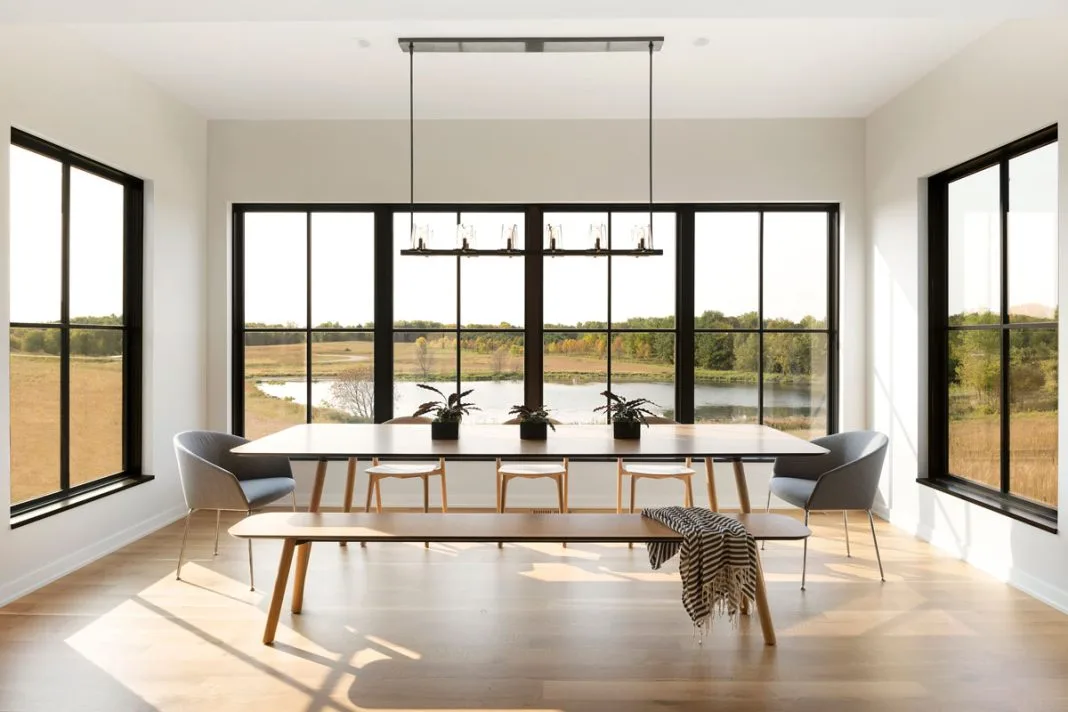
A modern home upgrade is not just about making a room look newer. It is about improving how the entire home works, feels, performs, and supports everyday life. The best projects bring together comfort, durability, style, efficiency, and long-term value instead of focusing on one flashy improvement.
That is why today’s smartest renovations often start with the parts of the home that protect everything else. Better windows, stronger exterior materials, improved insulation, and durable entry points all play a role in creating a home that feels calm and secure. In areas where storms, heat, wind, and humidity are part of daily life, details like glass frames for severe weather conditions can be a practical part of a bigger upgrade plan rather than just a cosmetic choice.
Start with the home’s protective shell
Before picking paint colors or cabinet finishes, it helps to think about the outer layer of the home. This includes the roof, siding, windows, doors, gutters, insulation, and any other feature that keeps the weather outside where it belongs.
A strong exterior makes every interior improvement more valuable. New floors, fresh trim, and beautiful fixtures lose their impact if the home has drafts, moisture issues, poor drainage, or outdated openings. Homeowners who take a whole-home view often find that exterior upgrades improve comfort first, then aesthetics naturally follow.
Windows are a great example. Replacing outdated windows can change the look of a home from the curb, but the bigger benefit often comes from better temperature control, reduced outside noise, and improved natural light. The same goes for updated doors, properly sealed siding, and roofing materials designed for local weather patterns.
Build comfort into the background
Modern upgrades work best when comfort feels effortless. The goal is not to make every improvement obvious. It is to create a home where the temperature feels right, the lighting feels balanced, and the layout supports the way people actually move through the space.
This is where systems and planning matter. HVAC improvements, smart thermostats, better ventilation, and improved insulation may not get the same attention as a kitchen island or spa-style shower, but they shape how the home feels every day. A beautiful room that is too hot, too cold, too dark, or too noisy never feels fully finished.
Lighting also belongs in this category. Modern homes benefit from layers of light rather than one harsh overhead fixture in each room. Recessed lighting, sconces, under-cabinet lighting, dimmers, and well-placed lamps can make rooms feel more flexible. A kitchen can feel bright and focused during meal prep, then warmer and softer in the evening.
Choose surfaces that can handle real life
The materials inside a home need to look good, but they also need to survive pets, kids, guests, spills, shoes, moving furniture, and busy mornings. A modern upgrade should balance beauty with maintenance, because the best design choices are the ones people can actually live with.
Flooring is one of the biggest decisions in this category. Hardwood, engineered wood, luxury vinyl, tile, and polished concrete all create a different mood and level of upkeep. The right choice depends on the room, the household, the climate, and the homeowner’s tolerance for maintenance. A polished, practical floor plan can be supported by expert resources like http://www.premierhardwood.net when homeowners are comparing style, durability, and installation options. The real win is choosing a surface that still feels right years later.
Countertops, backsplashes, wall finishes, and trim deserve the same level of thought. Quartz may be right for one kitchen, while butcher block, stone, or porcelain may better fit another. The point is not to chase the most expensive material. The point is to choose finishes that match how the home is used.
Make the kitchen more social and functional
The kitchen has become one of the most important rooms in a modern home because it does more than support cooking. It often becomes the place where people gather, work, snack, talk, sort mail, help with homework, and host guests.
A strong kitchen upgrade starts with flow. The refrigerator, sink, range, pantry, trash pullout, and prep areas should make sense together. When these elements are placed thoughtfully, the room feels easier to use even before any decorative upgrades are added.
Storage is another major piece of the puzzle. Deep drawers, pullout shelves, appliance garages, hidden charging stations, and pantry zones can make a kitchen feel cleaner without forcing people to become perfectly organized. The goal is to give everyday items a natural place to land.
Modern kitchen design also leans into warmth. Homeowners are moving beyond sterile white spaces and adding wood tones, textured tile, mixed metals, statement lighting, and comfortable seating. The result is a room that feels polished but still personal.
Give bathrooms a calmer, smarter layout
A modern bathroom upgrade should feel like a reset button. Even a small space can feel more luxurious when the layout is clear, the lighting is flattering, and the finishes are easy to maintain.
Walk-in showers, larger vanities, built-in storage, heated floors, and improved ventilation are all popular because they solve real problems. They make the space easier to clean, easier to share, and more comfortable during busy mornings.
The most successful bathroom updates usually avoid overcomplication. A limited material palette, practical storage, good mirrors, and quality fixtures can do more than a crowded design with too many competing finishes. Calm design choices tend to age better.
Create flexible rooms for changing routines
Homes now need to support more roles than ever. A spare bedroom may need to work as an office, guest room, workout area, hobby space, or quiet retreat depending on the week.
This is why flexible design has become a key part of modern upgrades. Built-in desks, Murphy beds, sliding doors, acoustic panels, modular furniture, and improved outlets can turn underused areas into rooms that earn their square footage.
Basements, attics, lofts, and bonus rooms are especially valuable when planned well. Instead of treating them as storage overflow, homeowners can shape them into media rooms, home gyms, creative studios, or guest suites. The best version depends on the family’s actual routine, not just what looks good online.
Bring the outside into the plan
Outdoor living has become part of the modern home upgrade conversation, not an afterthought. Patios, decks, screened porches, outdoor kitchens, fire features, and better landscaping can expand how a home is used throughout the year.
Even small outdoor improvements can change the feel of a property. A defined seating area, better lighting, privacy planting, or a smoother transition from the kitchen to the backyard can make the home feel larger and more connected.
Curb appeal also matters. Updated walkways, exterior lighting, planters, shutters, doors, and porch details help create a stronger first impression. These upgrades may seem simple, but they often make the whole home feel more cared for.
Tie everything together with a clear vision
The best modern home upgrades do not feel random. Each choice supports the next, from the exterior shell to the flooring, lighting, storage, layout, and outdoor areas.
A homeowner does not need to renovate everything at once to get a cohesive result. What matters is having a clear direction before the work begins. That means choosing a general style, understanding the home’s weak points, setting priorities, and making sure each project fits the larger vision. A modern home upgrade is really about alignment. It brings the house closer to the way people want to live now, while still protecting comfort, value, and flexibility for the future. When the pieces work together, the home does not just look updated. It feels easier, stronger, calmer, and more enjoyable every day.
